
Table of Contents
TBI: When the Crash Is Only the Beginning of the Fight
This article was produced in collaboration with Connexion TCC.QC, the Quebec Federation of Brain Injury Associations.
We talk a lot about helmets. We remind people to wear them, fit them properly, and replace them after an impact. But we rarely talk about what happens afterward. What happens when the helmet did its job—or when it simply wasn’t enough.
A traumatic brain injury (TBI) is a brain injury caused by a blow or impact to the head. In the world of powersports, it’s a reality we encounter more often than we realize. A motorcycle crash, a snowmobile collision, an ATV rollover—the accident happens in a split second. What comes next can last for years.
What a TBI Really Does
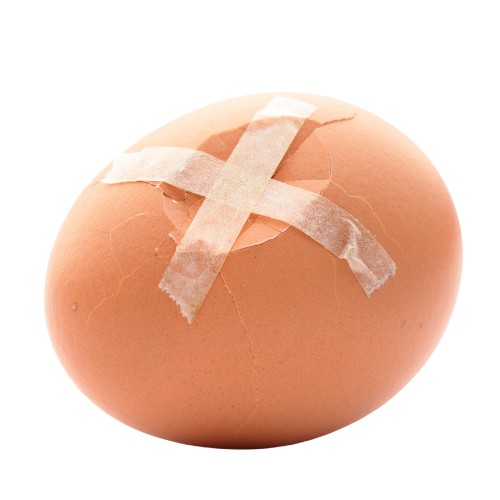
A TBI doesn’t always look the way people imagine.
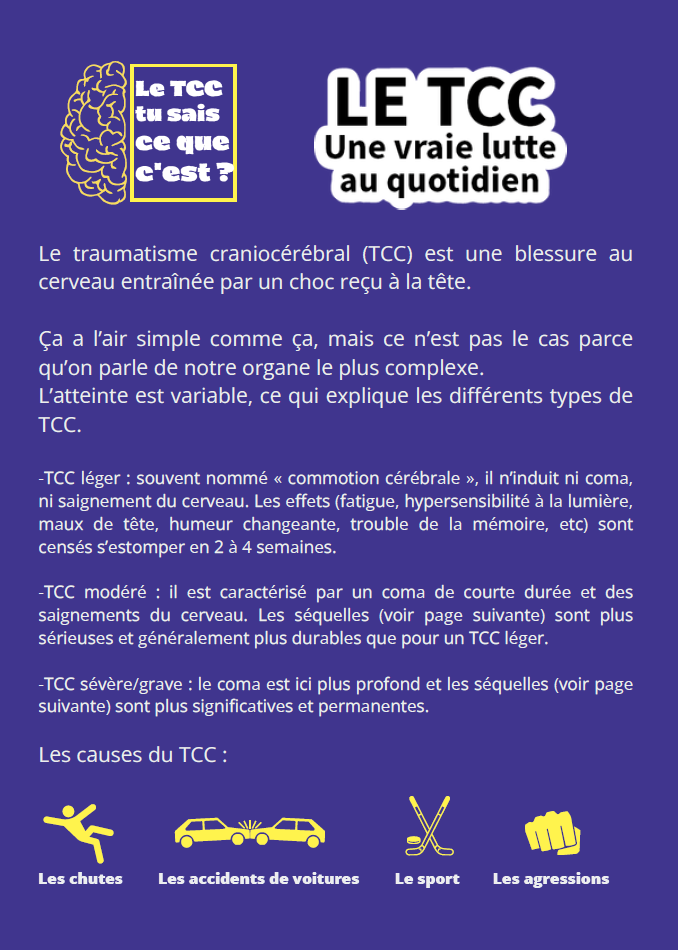
There’s a mild TBI, often called a concussion, whose symptoms—fatigue, headaches, light sensitivity, and memory problems—are generally expected to improve within two to four weeks.
Then there’s a moderate TBI, which may involve a short period of unconsciousness and longer-lasting, sometimes permanent, impairments.
And finally, a severe TBI, whose consequences can permanently change a person’s life.
What makes a TBI especially difficult is that it’s often invisible.
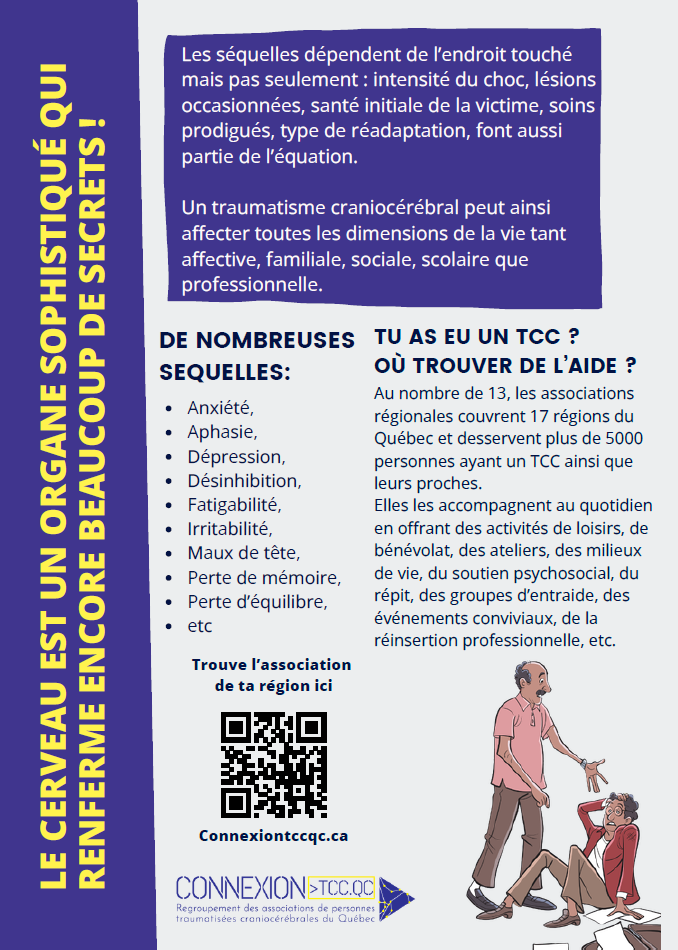
Anxiety, depression, irritability, memory loss, mental fatigue, balance issues, and aphasia aren’t injuries you can see. Yet they affect every aspect of a person’s life: relationships, family, social life, and career.
Someone may appear perfectly fine while fighting an exhausting battle every single day. And because those struggles aren’t visible, they’re often misunderstood. People living with a TBI frequently face doubt, judgment, or even dismissal of what they’re going through.
Nearly 45% of the cases supported by Connexion TCC.QC member associations are the result of road traffic accidents. That’s approximately 1,040 people every year in Quebec alone.
Your Helmet: Your Best Protection—If You Take Care of It
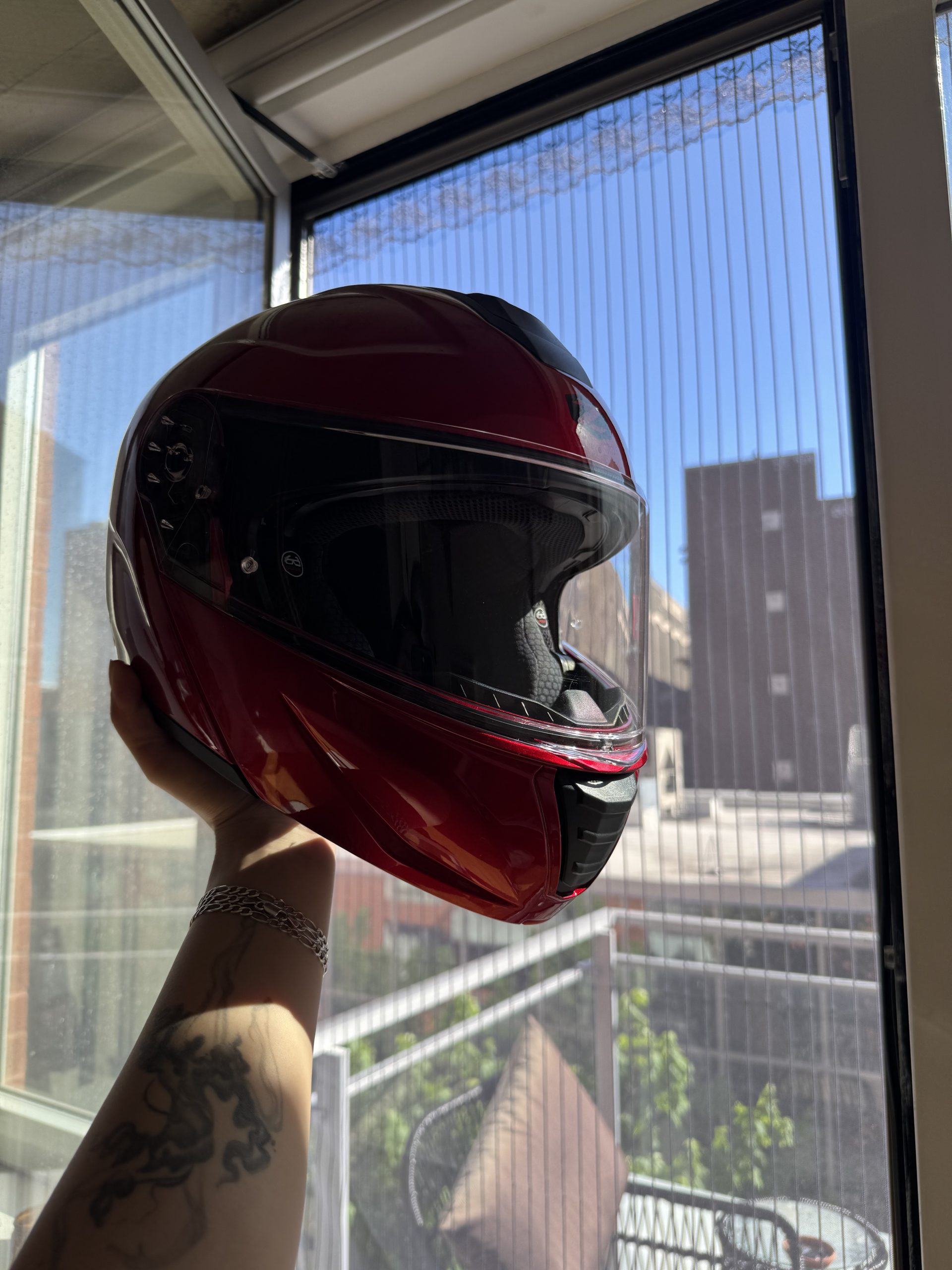
Your helmet is your first line of defense against a traumatic brain injury. But only if it’s in good condition.
Choosing the Right Helmet
Not all helmets offer the same level of protection.
Fiberglass or composite helmets generally provide better protection than polycarbonate models. Certification is non-negotiable. Be cautious of extremely cheap helmets displaying a DOT sticker without legitimate certification. A low price may be appealing, but it doesn’t always come with reliable protection.
Fit matters just as much as the material. A helmet that shifts while you’re riding can’t protect you properly. When trying one on, wear it for at least 10 minutes. Any pressure point you feel in the store will become much worse on a long ride, and a poorly fitted helmet can actually increase the severity of an impact instead of reducing it.
How Long Does a Helmet Last?
Even if it’s never been involved in a crash, a helmet has an average lifespan of about five years.
The internal foam naturally deteriorates over time due to heat, sweat, and exposure to chemicals. As it ages, its ability to absorb impact gradually decreases.
If You Drop It, Replace It
This is something many riders don’t know.
If you drop your helmet from a significant height—even from your hands onto the ground—it should be replaced. Damage to the impact-absorbing liner isn’t always visible, but the helmet’s protective structure may already be compromised.
A helmet that has sustained an impact, even a seemingly minor one, should no longer be used.
Proper Storage Matters Too
During the off-season, don’t store your helmet in places that get excessively hot—such as near a wood stove or inside a vehicle baking in the sun—or in extremely cold environments.
Extreme temperature changes accelerate the deterioration of helmet materials. The ideal storage spot is dry, climate-controlled, and out of direct sunlight.
Also, avoid repeatedly placing it on hard surfaces without protection. Small impacts can add up over time.
The Real Fight Begins After the Accident
From October 15 to 21, 2026, Quebec will mark the 23rd Quebec Traumatic Brain Injury Awareness Week, under the theme:
“TBI: A Real Fight Every Day.”
It’s a message that speaks directly to the powersports community.
Because we understand what it means to fight. We battle the elements, overcome fear, and constantly push our limits.
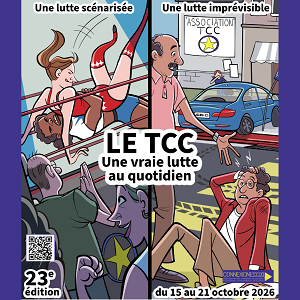
But the fight of someone relearning how to communicate, struggling to manage their emotions, or working every day to keep their memory from slipping away is a different kind of challenge altogether.
It’s a daily battle that’s often invisible—and one fought with a level of courage that never makes it onto a podium.
Connexion TCC.QC brings together 13 regional brain injury associations supporting more than 5,000 people living with a traumatic brain injury across Quebec.
From recreational activities and peer support groups to psychosocial services and vocational reintegration, these organizations are present in 16 regions to ensure no one has to face recovery alone.
Our Responsibility
As members of the powersports community, we all have a role to play.
Not only by wearing our helmets—because that’s non-negotiable—but also by talking about what happens when things go wrong.
By making it normal to ask for help.
By recognizing that serious crashes don’t just happen to someone else.
If you or someone you know has experienced a traumatic brain injury, you can find your regional association at connexiontccqc.ca.
Because the hardest battles are often the ones fought in silence.