


Table of Contents
A Brief Vanlife History
Vanlife isn’t a trend that appeared out of nowhere. It is part of a long history shaped by journeys, resourcefulness, deliberate choices… and sometimes sheer necessity. Long before engines existed, the idea was already there: making the road a place to live.
Before the engine: when home was already on the move
As early as the Middle Ages in Europe, traveling merchants, artisans, musicians, and fair performers roamed the roads. They lived in covered wagons, slept in mobile shelters, and assembled and dismantled their daily lives with the changing seasons.
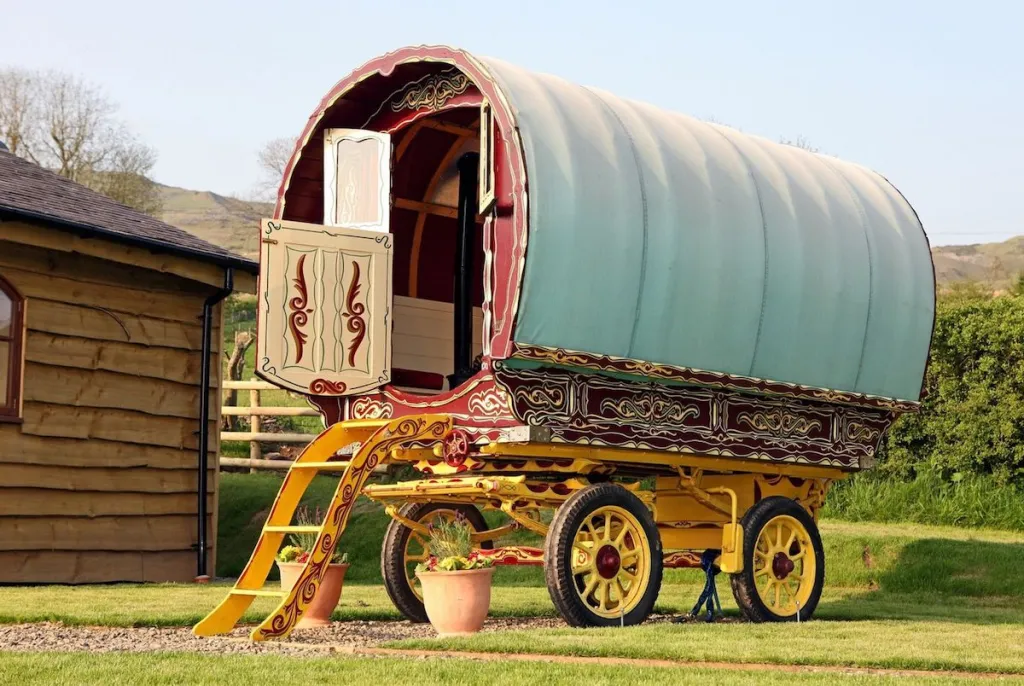
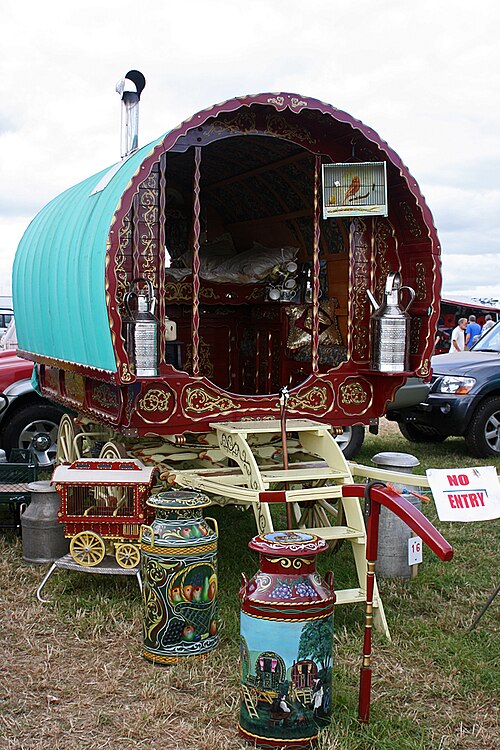
Beginning in the 16th century — and especially in the 19th — some communities developed true mobile homes. The best known were the vardos, wooden wagons pulled by horses and used by certain Romani communities in Western Europe.
Inside were beds, storage spaces, sometimes a stove, and often carefully crafted decoration. These were not temporary shelters, but genuine homes on wheels.
19th Century: the road as a way of life
With improvements in roads and transportation, the 19th century marked a turning point. Mobility was no longer only endured — for some, it became a conscious choice.
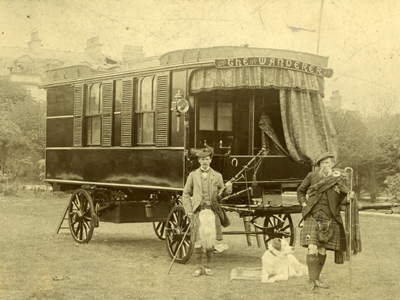
An emblematic figure of this period is William Gordon Stables. A Scottish physician and writer, he had a horse-drawn caravan built in 1855 called The Wanderer, designed as a true rolling home.
He traveled slowly, writing about landscapes, solitude, and the pleasure of not being in a hurry. Themes very close to modern vanlife already appear here: slowing down, inhabiting the journey, turning the road into a living space.
It is important to remember, however, that for most people living in mobile dwellings at the time, this was neither luxury nor leisure. It was a way of adapting to often difficult economic and social realities.
Early 20th Century: women behind the wheel
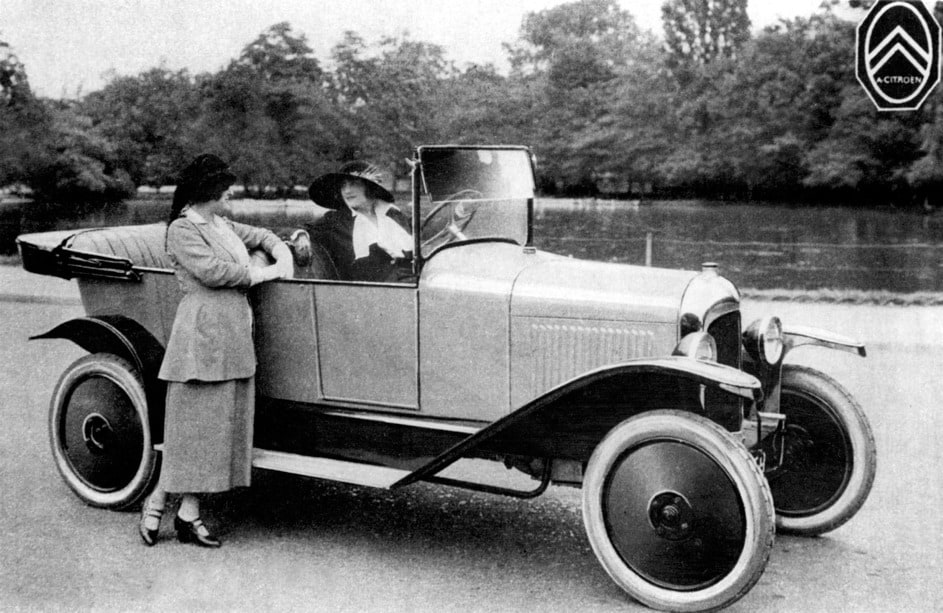
At the beginning of the 20th century, the automobile began transforming mobility. Women from privileged backgrounds started claiming the road — a bold move for the era.
Among them was Margaret Grundy, associated with the “camping women.” She traveled in a converted car, camped, wrote, and defended the idea that women could explore alone, repair their vehicles, navigate, and live outdoors without male assistance. Without knowing it, she laid one of the foundations of female motorized nomadism.
The 1930s: the road as survival
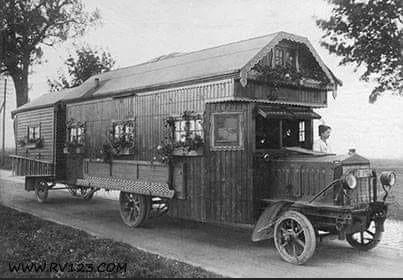
In the United States, the Great Depression changed everything. Thousands of families lost their jobs and homes. Many took to the road with their belongings piled into cars, trucks, or improvised trailers. This was the rise of house trailers — mobile homes used out of necessity, not ideology.
This era left a deep mark on the history of residential mobility. Mobile housing became a direct response to crisis — a survival strategy.
After World War II: the van becomes accessible
After 1945, the automotive industry boomed. Vehicles became more reliable, more affordable, and road networks expanded. Travel was no longer solely about work or survival.
In the 1950s, many discovered that a simple van was enough: a mattress in the back, a cooler, a few storage boxes. Not luxurious, but sufficient for several days — or even weeks — on the road.
The van became a travel companion, not just a utility tool.
The 1950s: a woman alone on the road
Traveling alone as a woman was still rare and often considered reckless. Yet some took the road anyway.
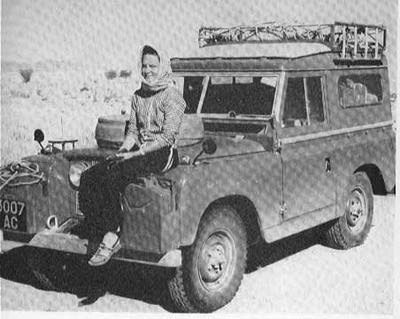
One of the most striking examples is Barbara Toy. In the 1950s, she traveled alone across the Middle East and North Africa in her Land Rover, Pollyanna. She slept near her vehicle, learned mechanics, and documented her observations.
In 1955, she published A Fool on Wheels. She obviously did not use the word vanlife, but she described its essence: autonomy, slowness, freedom, and the intimate connection between vehicle and daily life. Today, Barbara Toy is recognized as a pioneer of female motorized nomadism.
The road becomes myth
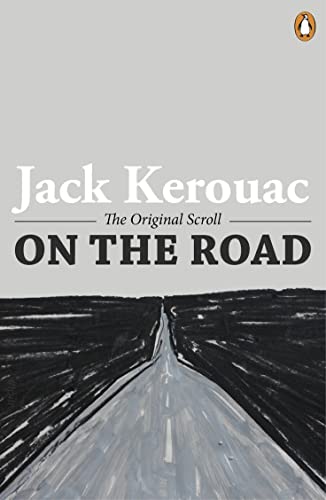
At the same time, literature helped turn the road into a collective myth. In 1957, On the Road by Jack Kerouac transformed the road into a symbol of inner transformation. Even without converted vans, the idea was there: movement as a formative experience, the road as a space for self-discovery. This imagery would deeply influence future generations.
1960s–1970s: minibus, freedom, and counterculture
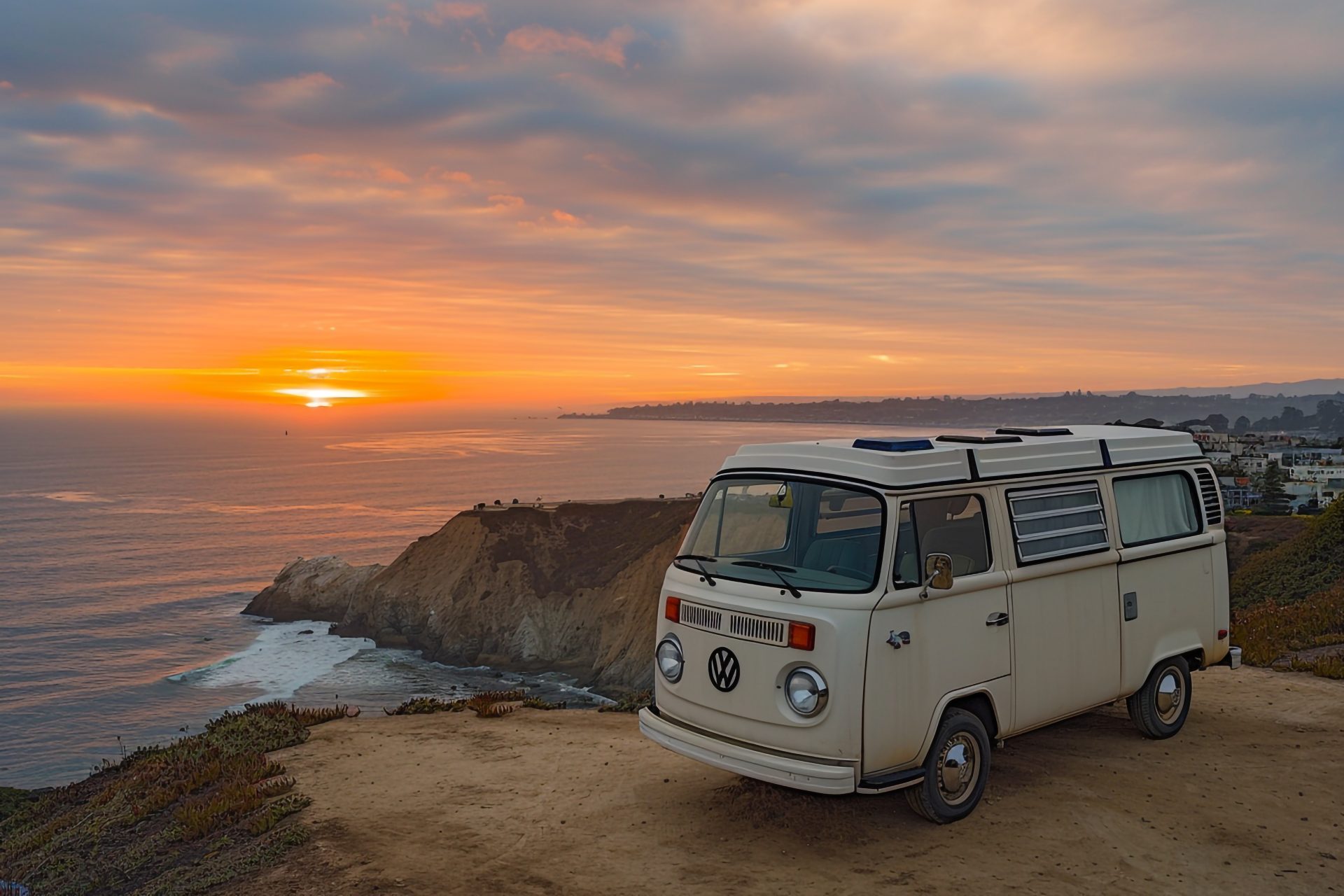
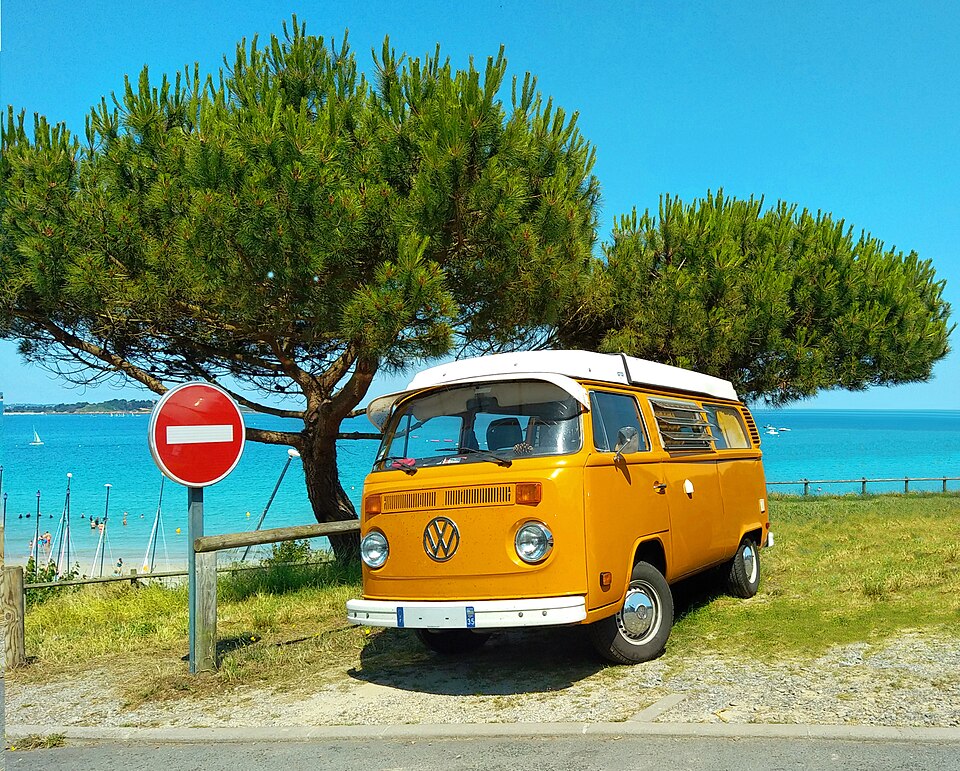
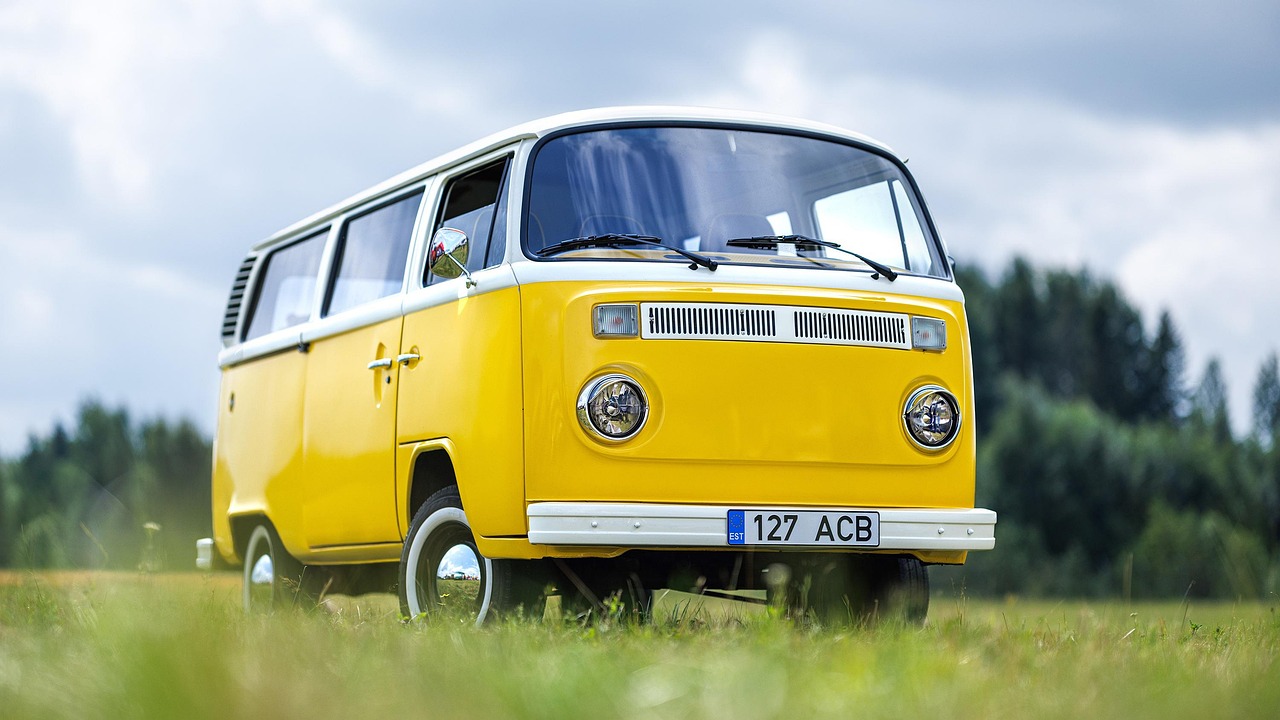
With the rise of counterculture, the converted vehicle became a powerful symbol. The Volkswagen Type 2, often transformed into a Westfalia camper, embodied this rolling freedom.
Though initially a largely male movement, women also traveled in minibuses, kept journals, took photographs, and told their stories.
In California and Australia, female surfers lived in their vans near the beaches: a bed, a surfboard, a few clothes. No career plan. Just the ocean, the road, and time.
Modern vanlife was already there — in practice and in spirit — even if it did not yet carry that name.
1970–2010: vanlife in the shadows
By the late 1970s, something shifted. Countercultural ideals faded, and Western societies entered a more pragmatic era focused on economic stability and property ownership.
The van lost visibility, even though it continued to serve as a living space. Thousands of people lived, worked, or traveled in vans, but they did not call themselves vanlifers; they did not organize into a movement; they did not publicly claim this lifestyle.
Vanlife existed, but without a slogan. A diffuse practice — sometimes chosen, sometimes imposed, often temporary.
2010 to today: when vanlife becomes visible
Then came a turning point — not in the practice itself, but in how it was perceived. A word emerged: vanlife.
Blogs, YouTube, and social media made previously invisible lives visible. For the first time, living in a van was no longer just a private or discreet choice — it became a shared, accessible, and commented narrative.
The hashtag #vanlife was first used and popularized in 2011 by Foster Huntington, helping give a name and global visibility to what had long been a scattered lifestyle.
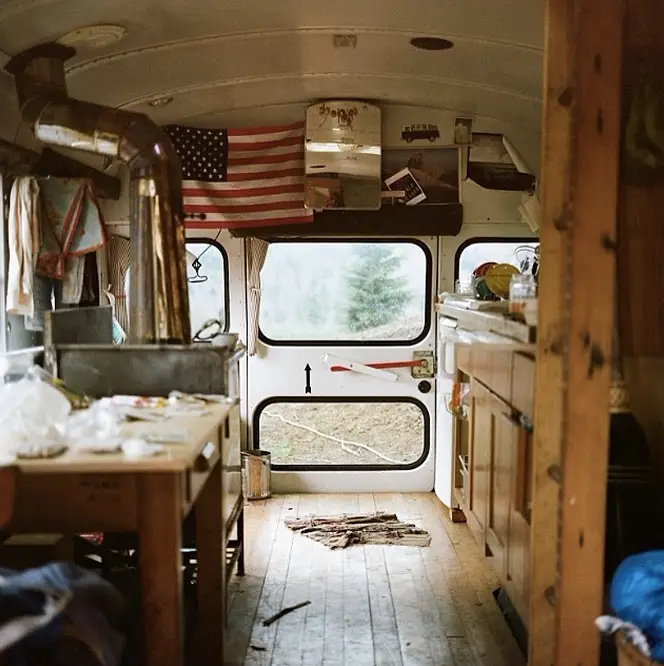
Since then, the internet has become a vast living archive of vanlife: minimalist or elaborate builds, improvised routes, daily life on the road, logistical realities, moments of freedom as well as exhaustion. Vanlife reveals itself in all its diversity — far from a single model — and continues to evolve through shared stories.
In Summary
Vanlife is the heir to centuries of mobility, adaptation, and freedom — sometimes chosen, sometimes imposed. What has changed today is not the road itself, but the way we tell its story.
And perhaps, in the end, vanlife was never truly a movement.
Just a very human way of inhabiting the world differently.