


Table of Contents
7 tips to follow when buying your antique car!
I used to own a 1976 Westfalia, and I want to share some of my experience to help people avoid making the same mistakes I did—because that thing really put me through the wringer!
Now, I dream of having an old Chevrolet K5 Blazer, a Ford F-100, or a Chevrolet C-10. But before buying one, I’m going to follow a few tips—tips I didn’t follow with my orange 1976 Westfalia. And today, I’m sharing those tips with you, to help you shop wisely for your “vintage” car.
When I decided to take the leap and buy my little dream machine, I was on cloud nine! It’s an exciting project; it was a dream I had nurtured for a long time and I wanted to make it happen quickly. I wasn’t careful enough, which brings me to my first tip…

Tip #1: Patience
There aren’t necessarily tons of old cars out there, and some models are rarer than others. You need to search thoroughly and, most importantly, go look at several of them. Don’t let your heart take over like I did, and don’t rush to the first one you see.
It can take years. You might drive hundreds of kilometers to find your gem. Keep that in mind and be patient. ⏳
Tip #2: Be conservative
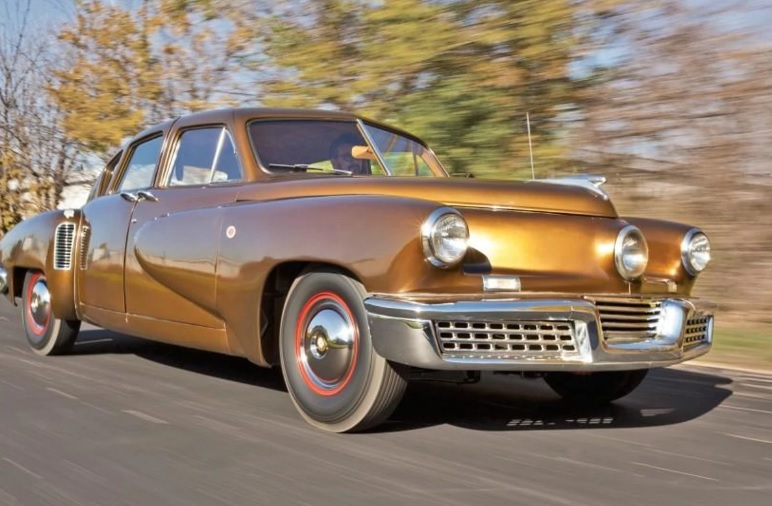
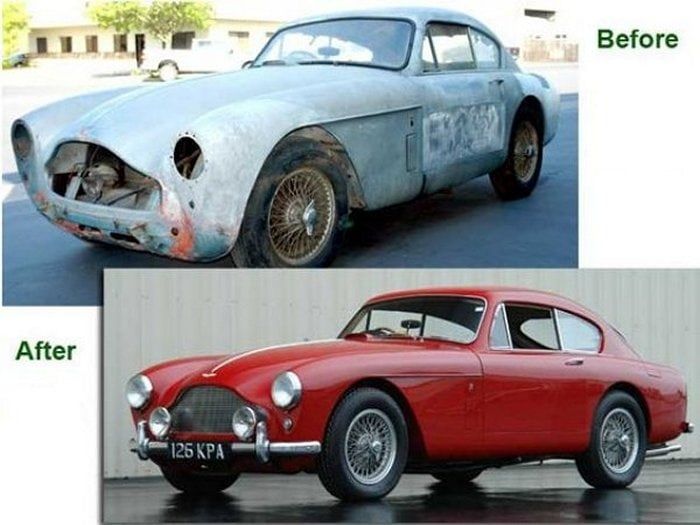
For your first antique car, it’s best to buy one that doesn’t need a ton of repairs. Let’s be honest: when you dive into a big restoration project, it’s rarely worth it financially. It takes a lot of time and money. You need a budget, and that budget often doubles quickly. Be aware of that.
In many cases—especially if you’re not doing the repairs yourself—it will cost you less to buy a car that needs few or no repairs.
Paying more upfront for a high-quality vehicle will often save you money in the long run. 💲
Tip #3: The price
You have to keep a cool head—which is a challenge in itself, because the world of antique cars is full of passion.
Don’t overpay. Don’t get taken advantage of. And it’s tough to know what an antique car is really worth. It’s not as simple as newer vehicles. The inspection report, the conversations you have with other enthusiasts, the model, the year, the rarity, and the vehicle’s condition are all clues that will help you determine a fair price.
Even if some models are rare, that doesn’t necessarily mean they cost more or have increased in value.
Do your research!
Organizations like the Quebec Antique Car Club or even CAA can help you determine a vehicle’s value. Find a reputable appraiser specializing in this area who can answer your questions.
Tip #4: Find your mechanic before buying
This obviously applies if you’re not doing the repairs yourself. Not all mechanics want to take on big projects—or have the knowledge to help you properly. 🔧
I had a hard time finding someone, especially since my Westfalia (as I later learned) was apparently quite a complex project!
Tip #5: Inspection and questions
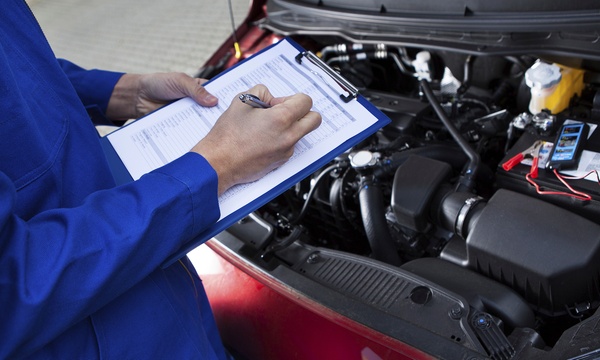
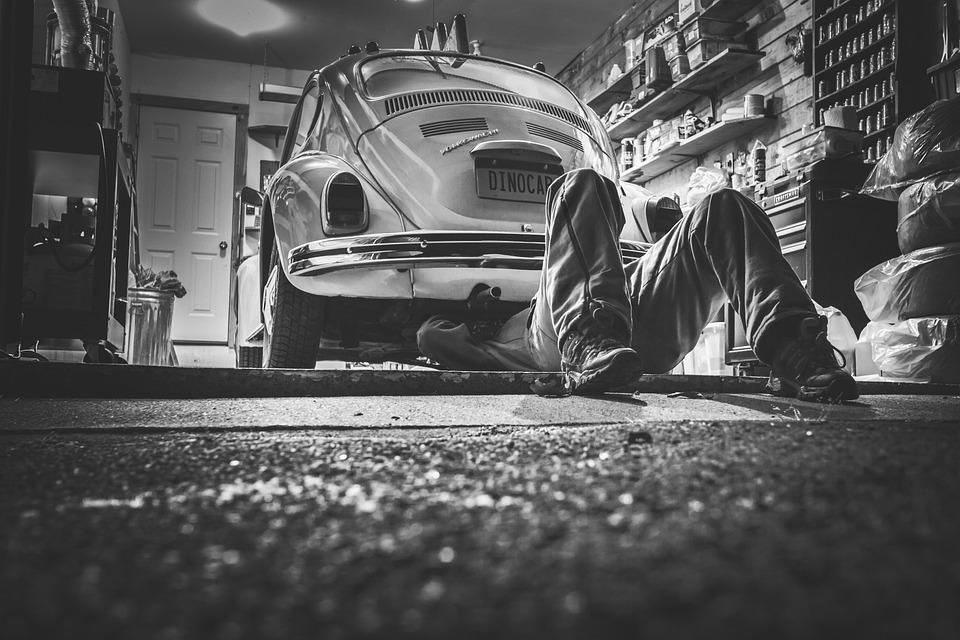
If you’re not a mechanic at heart, have the vehicle inspected by a professional. I didn’t, and I regretted it! Don’t judge me! It looked at me with its cute little orange face and I melted…
An inspection will tell you what to expect—unlike me. Some repairs can be extremely expensive: frame damage, perforated body panels, severe mechanical issues.
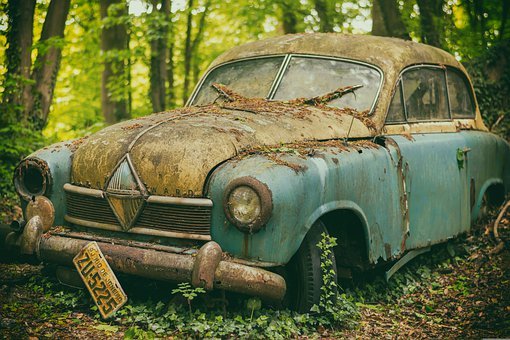
A tip within a tip: stay away from rust. You’re better off dealing with complicated mechanical repairs than with extensive rust.
Ask questions, join groups, visit antique car shows, get advice from your mechanic. Knowing what you’re buying can save you a lot of money. Trust me!
Tip #6: Choose your model wisely
In my case, it was obvious—I wanted to live the hippie life…
Especially if it’s your first vintage vehicle, don’t go for something too rare or too old-school. Start with a more classic model; it’s easier to find parts, mechanics, and buyers if you ever want to sell it. You’ll build your knowledge of the hobby and be better prepared for your next purchase, which can then be something a bit more unique.
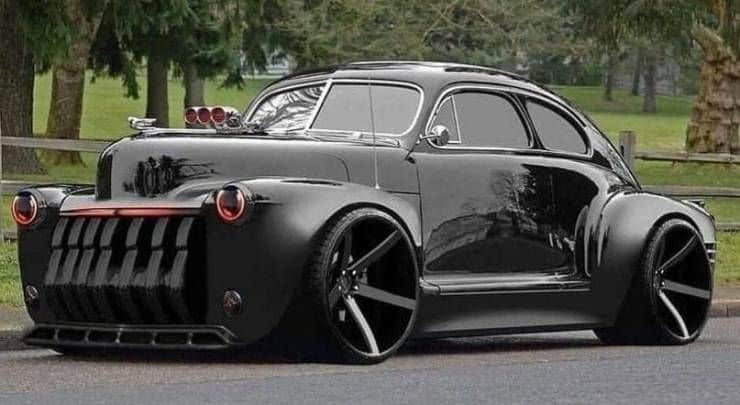
Try to avoid cars with too many modifications; they can hide issues. Also, the more original the car is, the easier it is to resell. Many purists want vehicles that are as original as possible.
Tip #7: Insurance and registration for antique cars
Insuring an antique car can sometimes be more difficult. Take the time to find a company that knows how to handle this type of vehicle. If you have an accident, the damage value is much harder to assess than with a new vehicle, for example.
As for registration, a car over 30 years old can get an “antique” plate—but it cannot be driven on roads with speed limits over 70 km/h. If you don’t want that restriction, you can register your beautiful toy conventionally. But in that case, it must pass a proper inspection at a certified garage.
These are my little tips based on my experience! I’m excited to start shopping again while applying these lessons, so I don’t end up paying more for towing than for gas in a single summer—or find myself stuck in a gas station parking lot fixing my leaking coolant hoses by myself.
I’ve lived through quite a few adventures with my Westfalia! Now I’m ready to finally enjoy an antique car instead of watching it break down on the side of the road!