
Table of Contents
These Women, Non-Traditional…
Hello everyone! Over the past few weeks, I’ve been wondering what I could possibly write about. God knows I have things to say, but turning that into a thoughtful article people would actually want to read—that’s a whole different story hahaha!
After some reflection, I decided to tackle a topic that is very close to my heart: women! I can already feel your surprise…
I think it’s fair to say that the Chicks And Machines community brings together a good number of extraordinary women—women who have chosen to take part in activities that were originally reserved for men. But more specifically, I wanted to talk to you about women who have chosen to work in non-traditional fields.
Since I fall into that category myself, why not take the opportunity!
Feminist… or not?
Alright! For those wondering, what does it mean to work in a non-traditional field?
A job is considered “non-traditional” when it includes less than 33% women.
That being said, the opposite is also true—a field with less than 33% men would be non-traditional for them.
Now that we’ve cleared that up, what does it actually mean to be a woman in a traditionally male environment?
I don’t know whether we’re born feminists or become one over time, but let me tell you—my perspective on feminism has evolved, and the field I work in has a lot to do with that.
I used to be one of those who would take offense at the first macho comment, who believed women were equal to men in every way, and who fed their ego on being a woman.
I can already hear you reacting, ladies! Let me explain a bit…
Women push boundaries every single day—boundaries that were once imposed on them. Of course, there’s a lot to be proud of!
But my perspective on feminism has become more humble over time.
Working in heavy industry has made me aware of our respective limits—and more importantly, our differences.
Today, standards and tools exist to standardize work methods and make tasks as accessible as possible for everyone. However, there’s one key factor that comes into play: grit.
You know those men who work tirelessly, never complain about being tired, and make everything look “easy”?
The best image I have to explain this comes from my grandfather. He grew up in a farming family, and after a long day of work, his father would say, “Let’s go weed the garden while we rest!” You see what I mean?!
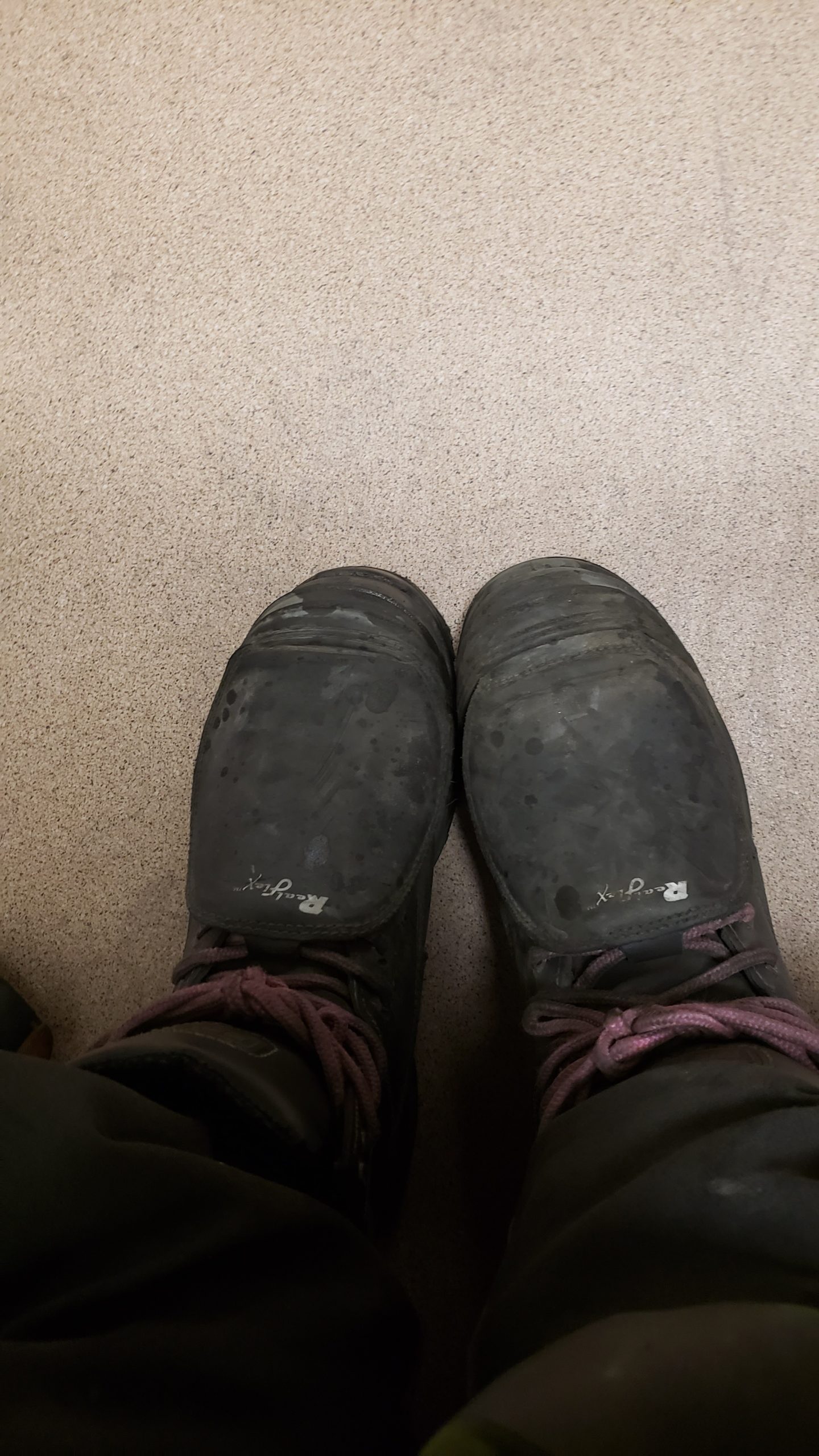
Being surrounded by men like that in my workplace—believe me—it’s easy to say “a woman can do anything a man can do.” But I now understand the weight of those words and what they imply. Our limits are different, and I can only feel immense respect for that strength and sense of duty.
Don’t get me wrong—I’m not saying these qualities are exclusively male. I’m simply saying that it’s from these men around me that I’ve drawn inspiration. Today, in a way, I follow in their footsteps.
Over the years, I’ve come to believe that feminism may not be about pride or ego, but rather about respect. Knowing your strengths, recognizing your limits—and respecting yourself.
A Few Bumps in the Road
Of course, life being what it is, there are obstacles no matter which path you choose. As you’ve probably guessed, physical strength is one of them.
Just think about opening a jar of pickles… they’ve invented a whole range of tools just to help us open those things! Okay, I’m exaggerating a bit—but you get the point. You find ways to achieve the same results, even if it sometimes takes a little longer.
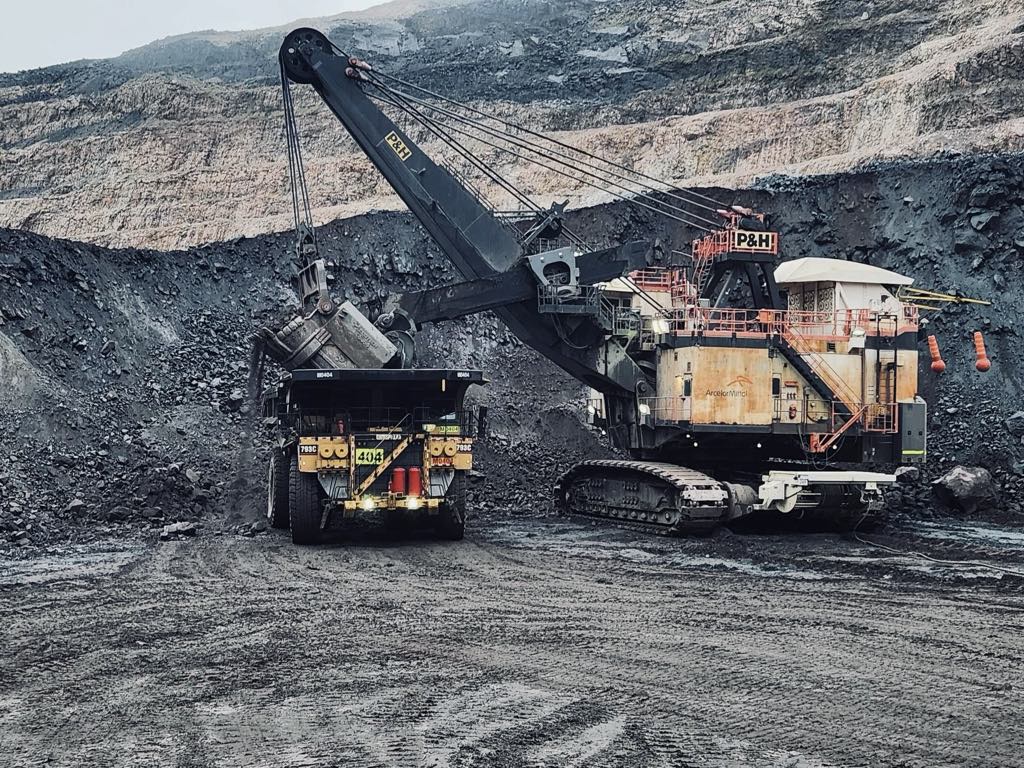
One thing that has truly impressed me is male solidarity.
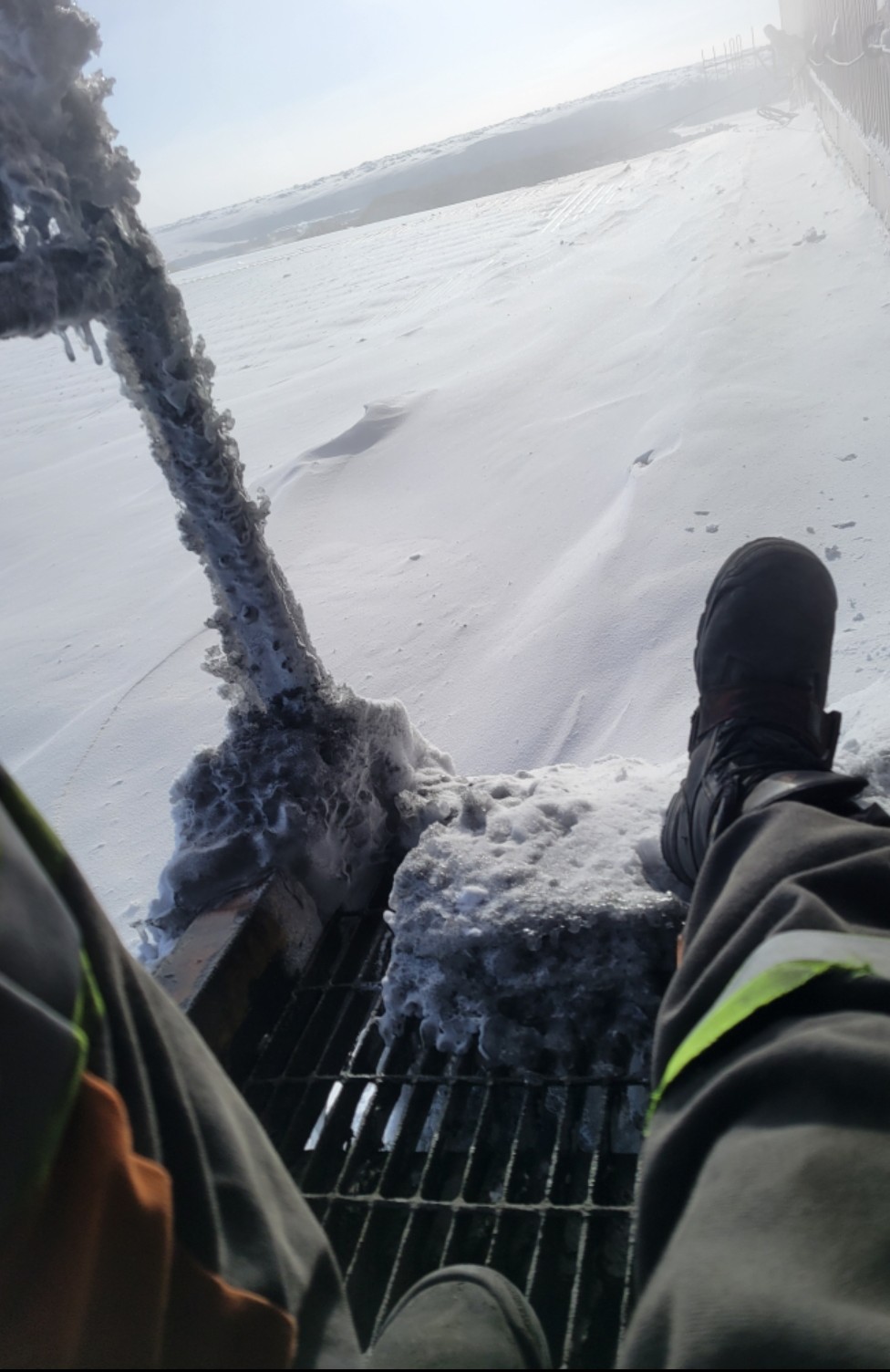
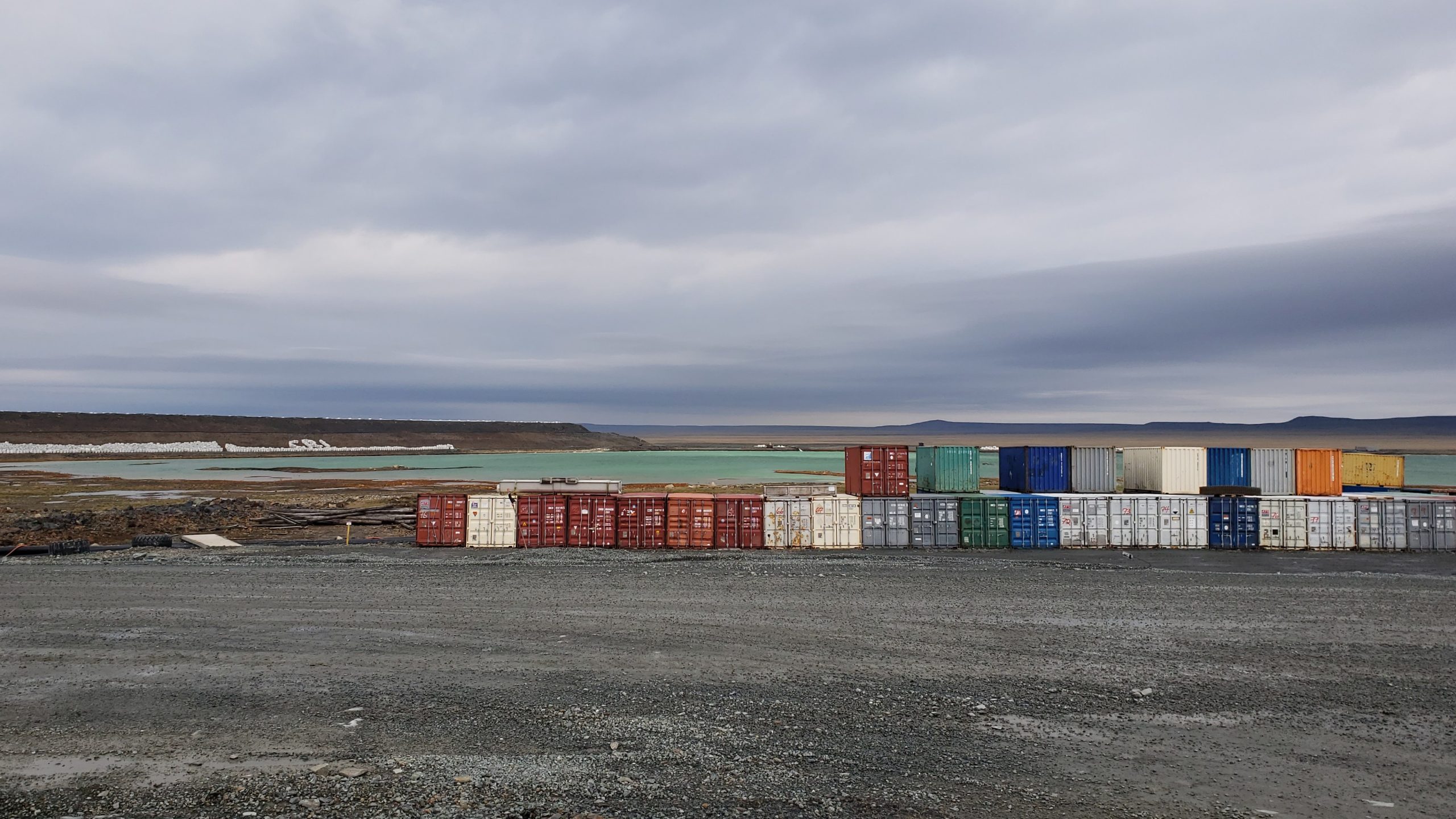
The environment I work in is quite unique—workers all live in a camp right on the mine site, with no nearby town or village. It’s basically like living with 500 roommates for six months of the year… That creates a very different kind of bond compared to a workplace where everyone goes home after their shift.
When you spend over 12 hours a day together for weeks, you quickly become “one of the boys.”
Still, I don’t think there’s any need to debate that men and women are different haha—and when you spend that much time as one of the only women among a large group of men, you definitely feel those differences!
Don’t get me wrong—I’m lucky to have incredible coworkers, always ready to help one another. It truly feels like a brotherhood. But you still have to expect encountering some level of machismo from time to time.
Even when you try to blend in, you have to learn to live with a bit of a “spotlight” over your head… and there’s nothing you can do about it.
It’s hard not to stand out, no matter how much you try. You may face lingering looks, whispers, and sometimes people whose sense of respect has its limits.
Stories of harassment are very real—and far more common than we might think. However, companies are becoming increasingly aware of this issue. The number of women in traditionally male fields is growing every year, which brings greater awareness of the psychological challenges involved.
There are various support systems available, but in my opinion, the most important thing remains having a relationship of trust with your supervisors. Since they are your closest resource, it’s essential to feel comfortable enough to speak up about uncomfortable situations.
A Source of Strength
I chose to highlight both positive aspects and some challenges in this article to illustrate what it can be like.
But nothing is ever entirely black or white.
Despite some frustrating aspects, choosing this kind of field helps you build strong character, stand out, and truly accept who you are.
In these so-called “men’s jobs,” pushing your limits becomes part of everyday life and forces you to confront yourself more than you might expect.
It’s a unique experience—one that helps you grow.
To all the women who are just starting their careers or thinking about changing direction: don’t be afraid—go for it! Have the courage to do what you love. The pride you’ll gain from it is incredible. After all, everyone deserves to follow their passions, whether they’re traditional or not.

Because women belong there too
For those who may be interested, here are two programs aimed at supporting women in non-traditional fields. They offer scholarships for women pursuing college or vocational studies in predominantly male industries:
- https://centrelepont.com/la-bourse-elles-sont-faites-pour-la-job-2024-pour-la-releve-feminine
- https://cdn-contenu.quebec.ca/cdn-contenu/education/reconnaissance-prix/chapeau-excelle/Guide-Chapeau-23-24.pdf